Get Roof Flashing Installation
Roof flashing installation services help property owners prevent leaks and water damage by properly sealing areas around chimneys, vents, skylights, and roof penetrations with experienced local contractors.
Property owners considering roof flashing installation often seek reliable local contractors who can ensure proper sealing and protection against water intrusion. Properly installed flashing is essential for preventing leaks around chimneys, vents, and roof intersections, which can help maintain the integrity of a building’s structure over time. Exploring options within the local area allows property owners to compare services, expertise, and approaches to find the right fit for their specific roofing needs.
Whether planning a new roof project or addressing existing issues, understanding the benefits of professional flashing installation can support informed decision-making. Connecting with experienced service providers in the community can help ensure that the work is handled efficiently and effectively, providing peace of mind for property owners looking to safeguard their investment. Keep reading to learn more about how local contractors can assist with roof flashing installation.
- Roof Flashing Installation - needed when new roofing or repairs require proper sealing around chimneys, vents, or skylights.
- Roof Flashing Replacement - necessary if existing flashing has become damaged, corroded, or no longer effectively prevents leaks.
- Vent Pipe Flashing - required when installing or repairing vent pipes to ensure a weatherproof seal.
- Valley Flashing - essential for managing water runoff in roof valleys to prevent leaks and water damage.
- Step Flashing Installation - used when adding or replacing siding or roofing in areas prone to water infiltration.

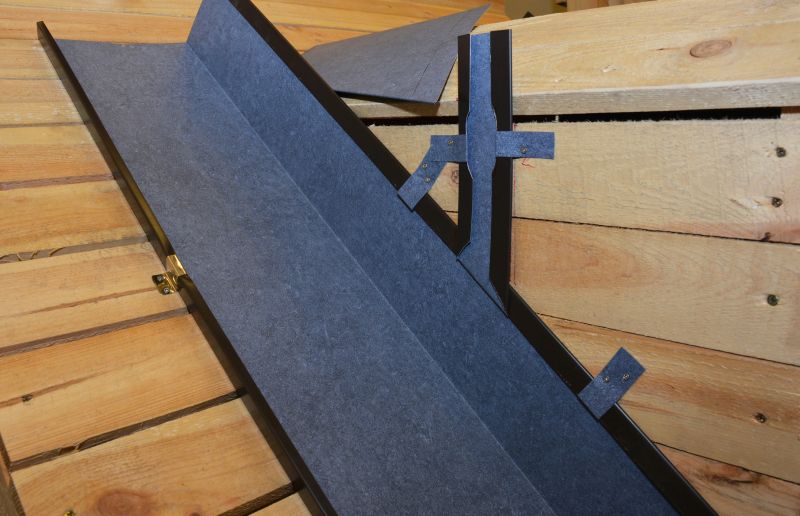
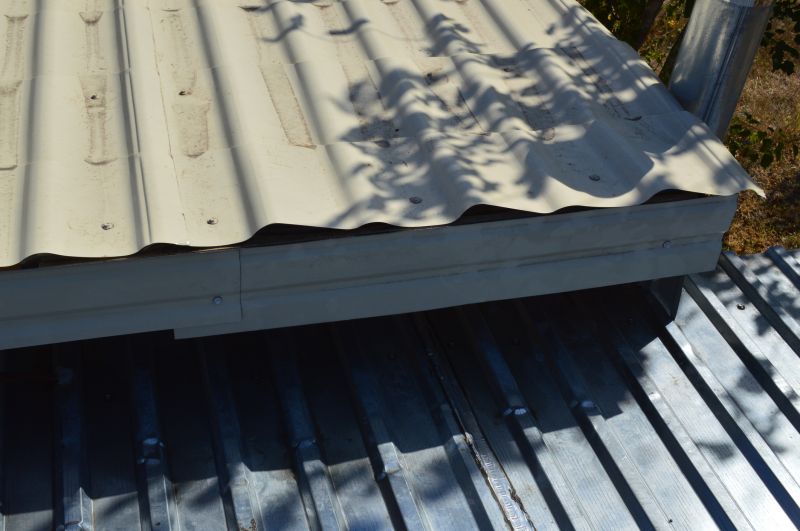
Roof flashing installation is a crucial process that involves adding or replacing metal strips around areas where the roof intersects with other structures, such as chimneys, vents, skylights, and roof edges. These metal strips, known as flashing, serve as a barrier to prevent water from seeping into the underlying roof deck and causing damage. Proper installation ensures that water flows away from vulnerable joints and penetrations, helping to maintain the integrity of the roof and protect the interior of the property. Skilled local contractors can assess the specific needs of a roof and install flashing that fits seamlessly with the existing roofing materials.
One of the primary problems roof flashing helps to solve is water infiltration, which can lead to leaks, mold growth, rotting wood, and structural damage. Over time, flashing can become damaged, corroded, or improperly installed, creating gaps where water can enter. This is especially common in areas exposed to harsh weather conditions or where roofing materials have aged. Installing new or repaired flashing is an effective way to address these issues, extending the lifespan of the roof and preventing costly repairs down the line. Homeowners experiencing leaks around roof joints or noticing water stains inside the property should consider having flashing inspected and replaced if necessary.
Roof flashing installation is commonly used on a variety of property types, including single-family homes, multi-family residences, commercial buildings, and even some industrial facilities. Homes with complex roof designs, multiple roof levels, or numerous penetrations are more likely to require specialized flashing work. Properties located in areas with frequent rain, snow, or wind are also more prone to water-related issues that flashing can help mitigate. Whether a property has a flat roof or a pitched roof, professional contractors can tailor flashing solutions to meet the specific design and weather challenges of each building.
For homeowners who want to ensure their roof remains durable and water-resistant, connecting with experienced local service providers is a practical step. These professionals can evaluate existing flashing for signs of damage or deterioration and recommend appropriate repairs or upgrades. Proper flashing installation not only safeguards the property from water damage but also contributes to the overall longevity of the roof system. When considering roof flashing services, it is important to work with contractors who understand the unique requirements of different property types and can deliver reliable, high-quality work that addresses specific needs.
The overview below groups typical Roof Flashing Installation projects into broad ranges so you can see how smaller, mid-sized, and larger jobs often compare in your area.
In many markets, a large share of routine jobs stays in the lower and middle ranges, while only a smaller percentage of projects moves into the highest bands when the work is more complex or site conditions are harder than average.
Smaller Repairs - Typical costs for minor roof flashing repairs usually range from $250 to $600. Many routine fixes fall within this middle range, depending on the extent of the damage and material used.
Partial Installation - Replacing or installing flashing on a specific section of a roof can typically cost between $600 and $1,500. Larger, more complex projects may push beyond this range, but most fall within this band.
Full Roof Flashing Replacement - Complete replacement of roof flashing for an entire property often costs between $2,000 and $5,000. These projects tend to be more involved, with fewer jobs reaching into the highest price tiers.
Complex or Custom Projects - Large or intricate flashing installations, especially on custom or historic homes, can exceed $5,000. Such projects are less common and usually involve specialized materials or designs.
Actual totals will depend on details like access to the work area, the scope of the project, and the materials selected, so use these as general starting points rather than exact figures.
Chimney Flashing Installation - this project involves installing and sealing flashing around chimneys to prevent water intrusion, utilizing similar skills and tools as roof flashing work.
Roof Valley Installation - installing roof valleys requires precise placement of flashing to direct water flow, sharing techniques with roof flashing installation.
Skylight Flashing Sealing - sealing around skylights involves careful planning and waterproofing to prevent leaks, similar to roof flashing methods.
Gutter System Installation - installing gutters involves planning and sealing joints, which aligns with the skills used in roof flashing projects.
Storm Damage Roof Repairs - repairing storm-damaged roofs often requires replacing or installing flashing to restore waterproofing, sharing core techniques with flashing installation.
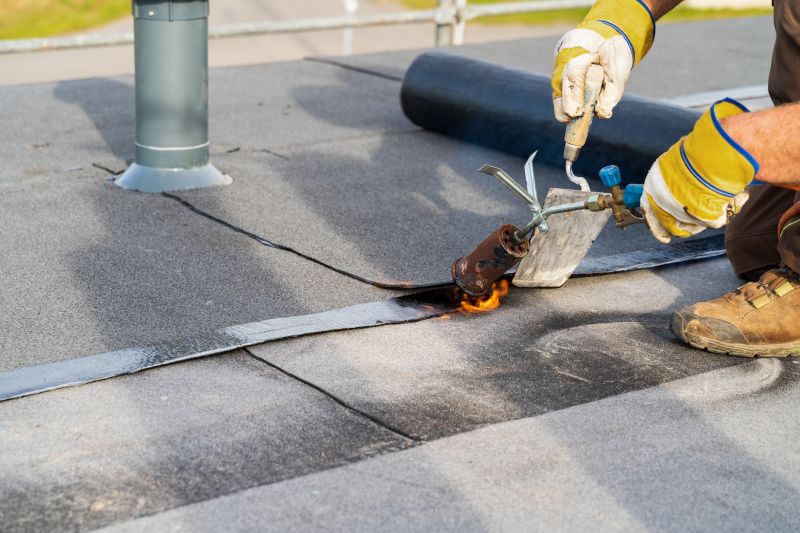
Flat Roof Waterproofing - applying waterproofing membranes on flat roofs involves similar planning and sealing skills as roof flashing installation to ensure water resistance.
When comparing contractors for roof flashing installation, it’s important to consider their experience with similar projects. Homeowners should look for service providers who have a proven track record of handling roof flashing tasks comparable to their own. This can help ensure that the contractor understands the specific requirements and challenges involved, leading to a more reliable and effective installation. Asking about past work or requesting examples of completed projects can provide insight into their familiarity with the type of work needed.
Clear, written expectations are essential to a smooth project. Homeowners should seek out service providers who can provide detailed descriptions of their scope of work, materials, and procedures in writing. Having these expectations clearly outlined helps prevent misunderstandings and ensures that both parties are aligned on what will be done. It’s also beneficial to discuss warranties or guarantees, even if they are not explicitly promised, to clarify the level of accountability and quality assurance.
Reputable references and good communication are key indicators of a dependable contractor. Homeowners should ask for references from previous clients who had similar work done and follow up to learn about their experiences. Additionally, service providers who communicate clearly and promptly can make the process easier and more transparent. While the site introduces homeowners to local options, it’s important to remember that the actual work will be performed by the selected contractor. Taking the time to evaluate experience, expectations, and communication can help connect with a reliable professional suited to the project.
Property owners use Roof Flashing Installation services for practical projects around their homes and businesses. This guide focuses on everyday jobs and straightforward project options.

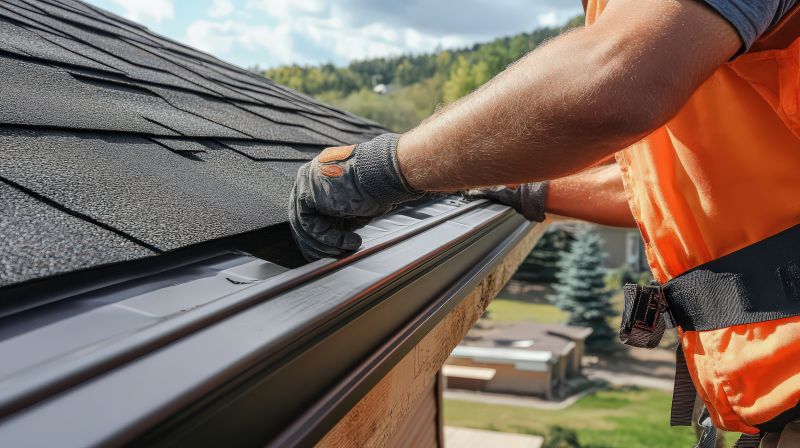
Roof flashing installation is a common need for property owners dealing with issues like leaks around chimneys, vents, or roof joints. Over time, weather exposure can cause flashing to deteriorate or become misaligned, leading to water infiltration and potential damage. Local contractors who specialize in flashing can assess these problem areas and provide the necessary repairs or replacements to help maintain the integrity of the roof and protect the building interior.
Homeowners and property managers often seek flashing services when constructing new roofs or upgrading existing ones to ensure proper water runoff. Additionally, flashing may need to be installed or replaced after storm damage or as part of routine maintenance to prevent leaks. Local service providers are equipped to handle a variety of situations, offering professional installation that helps safeguard the property against water-related issues.
What is roof flashing installation? Roof flashing installation involves adding or replacing metal or other waterproof materials around roof joints, chimneys, vents, and skylights to prevent water leaks and protect the roof structure.
Why is proper roof flashing important? Proper roof flashing helps direct water away from vulnerable areas, reducing the risk of leaks, water damage, and structural issues over time.
What types of roof flashing are commonly installed? Common types include step flashing, continuous (apron) flashing, and kick-out flashing, each designed for specific roof features and angles.
How do local contractors ensure quality roof flashing installation? Local contractors assess the roof, select appropriate flashing materials, and follow best practices to ensure a secure, weather-resistant fit.
What signs indicate the need for roof flashing replacement? Signs include water stains on ceilings, visible rust or damage on flashing, or areas where flashing has come loose or deteriorated.
Prevent Water Damage - Proper roof flashing installation helps protect a property from leaks caused by rain or snow seeping into vulnerable areas.
Improve Roof Durability - Local contractors can install high-quality flashing to extend the lifespan of a roof and reduce maintenance needs.
Enhance Weather Resistance - Properly installed flashing provides an extra layer of protection against harsh weather conditions.
Complete Roof Repairs - When replacing or repairing a roof, service providers can ensure flashing is correctly installed to maintain the roof’s integrity.
If you are thinking about Roof Flashing Installation for a property, this guide is meant to help you understand the work, the typical project types, and how different options might fit your plans.
When you are ready, you can use the quote form on this page to share a few details about your project. From there, local pros can review the basics and respond with options that match what you have in mind.